Table of contents
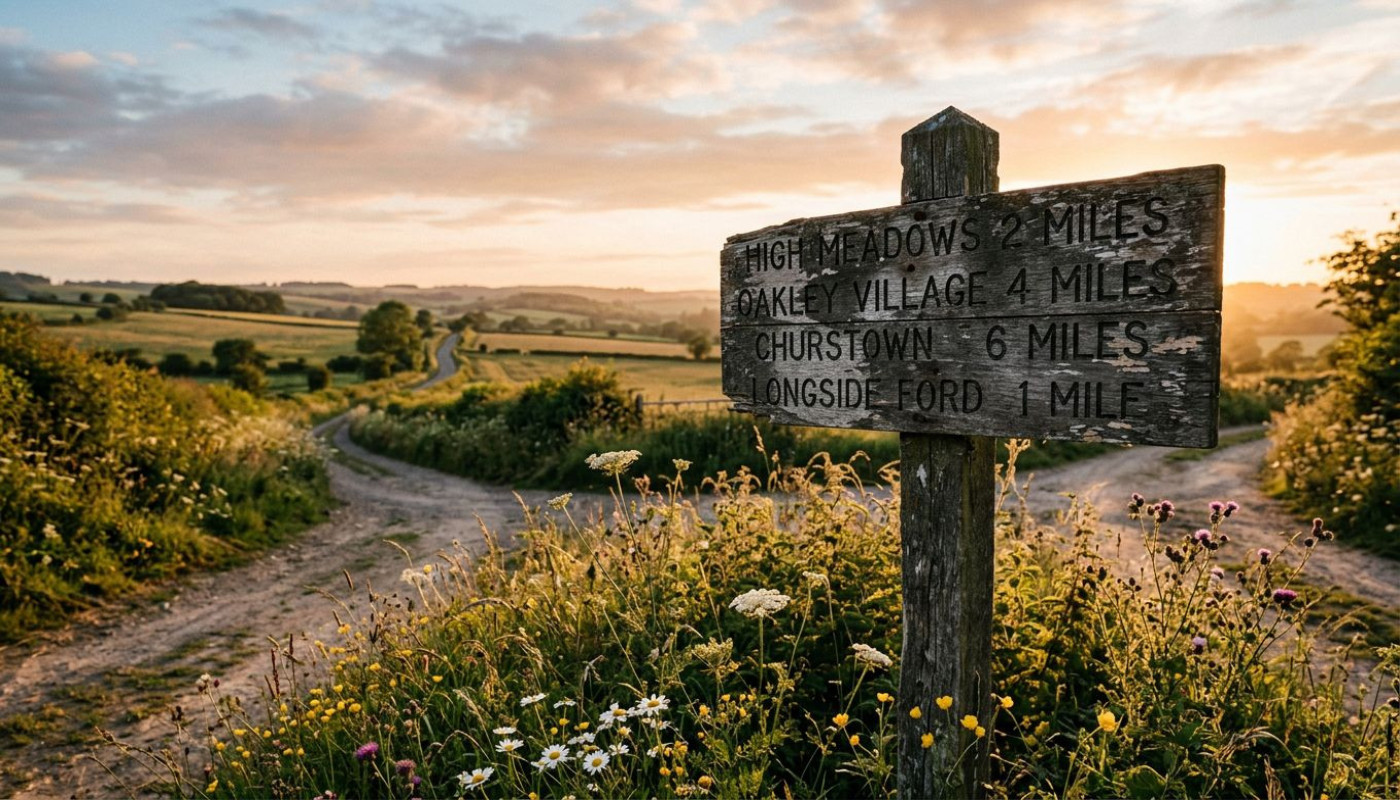
Air fares are volatile, crowds are back, and many travellers are quietly rewriting their rules, looking beyond headline cities to places that still feel discoverable and affordable. These “in-between” stops, neither remote nor overhyped, are increasingly shaping how trips are planned, shared, and remembered. What looks like a minor detour on a map can change a budget, a mood, and even the story you tell when you get home, because overlooked destinations often deliver the most human moments.
Forget the checklist, follow the gaps
There is a simple reason overlooked places punch above their weight: they free travellers from the tyranny of the “must-see” list, and they put time back into the day. In Europe, where short-haul flights and rail links compress distances, the difference between a frantic weekend and a satisfying one often comes down to friction, how long you queue, how far you walk between sights, and whether you can find a table without planning your lunch like a military operation. Big-name destinations can still be extraordinary, yet the experience is increasingly shaped by crowd management, timed entries, and rising prices, and the result is that many visitors spend more time optimising than wandering.
Data backs the feeling. The European Travel Commission’s “Monitoring Sentiment for Intra-European Travel” surveys over recent seasons have repeatedly shown strong demand for less crowded experiences and for trips that feel “good value”, and that combination naturally nudges people towards secondary cities and smaller regions. At the same time, aviation and accommodation costs have stayed sensitive to peak periods, and the pricing gaps between famous hubs and nearby alternatives can be substantial, especially in summer and during major events. In practical terms, that gap can mean one extra night, a better room, or a meal that turns into a memory, and that is precisely how travel stories get written.
Overlooked destinations also change the emotional pacing of a trip. A famous museum day can be thrilling, but it is often intense and tightly scheduled; a lesser-known riverside neighbourhood, a local market, or a short train ride to a smaller town gives the narrative breathing room. Those quieter interludes are not “empty” days, they are where conversations happen, where you learn the rhythm of a place, and where serendipity survives. Travel, after all, is not only about landmarks, it is about scenes, gestures, and accidents, and those are easier to find when you are not elbow-to-elbow.
Small cities, big narrative returns
Ask yourself what makes a trip retellable. It is rarely the tenth photo of the same viewpoint; it is the unexpected detail that no one in your group had predicted. Smaller cities and overlooked districts tend to deliver more of those moments because they are legible, walkable, and less scripted, and the visitor can connect the dots without being funnelled along a single “best of” corridor. In a compact place, you can drift from a bakery to a bookshop to a park in minutes, and you can do it twice in one day, once in the morning light and again at dusk, which is the kind of repetition that creates familiarity.
There is also an economic story here, and it matters to travellers trying to keep control of a budget. Accommodation markets in famous capitals are often dominated by peak-weekend premiums, while second cities can offer more stable pricing and a wider range of mid-market options, and that shifts the entire itinerary. A traveller who saves €40 to €80 per night over four nights has bought a day trip, a theatre ticket, or simply the freedom to stop worrying about every coffee. In 2024 and 2025, as inflation pressures lingered across Europe, this value equation became a planning driver, and not a niche one.
Social media has complicated, and amplified, the trend. Platforms reward novelty and specificity, and “I found this corner” performs better than “I went where everyone goes”, yet the same platforms can also overheat a place overnight. That is why the most useful overlooked destinations are not secret; they are resilient. They have enough infrastructure to absorb visitors, enough local life to avoid becoming a set, and enough depth that a single viral post does not reduce them to one street or one café. The best travel stories do not just point; they explain, and smaller cities often give you the space to do that properly.
Porto and the art of the detour
Portugal’s second city has become a case study in how an “overlooked” stop can evolve, and why it still works when you approach it with curiosity rather than a rigid script. Porto is not unknown, but it often plays the supporting role in itineraries dominated by Lisbon, beach resorts, or the Douro Valley, and that positioning is precisely what makes it a powerful narrative hinge. It is a city where a single afternoon can hold multiple moods, the riverfront’s theatrical façades, the hush of tiled churches, the clatter of trams, and the slow confidence of cafés that do not rush you out.
The detour logic is practical as well as poetic. Porto’s historic centre is compact, many key areas are walkable, and the city rewards travellers who split their days by neighbourhood rather than by attraction. Instead of sprinting from viewpoint to viewpoint, you can build a story around textures: azulejo tiles, ironwork balconies, cellar doors, steep staircases, and the way the light slides across the Douro at sunset. For travellers trying to keep a handle on costs, Porto can also feel like a reset button compared with pricier European hotspots, especially if you plan shoulder-season travel or midweek stays, and if you book transport and tastings ahead of time.
Preparation, however, is what turns a good detour into a great one. Knowing which areas are best for first-timers, how to time a river cruise, what to expect from a port lodge visit, or how far a day trip really takes on local trains can prevent wasted hours, and in a short break, hours are everything. That is where curated, practical planning resources become useful, and travellers looking to structure a Porto stay without flattening it into clichés can start with https://www.porto-trip.com/, then adapt the framework to their own pace, interests, and budget.
How to spot tomorrow’s “hidden” stops
Want a reliable way to find overlooked destinations before they are overwhelmed? Start with connectivity, not popularity. Places that sit on major rail lines, near regional airports, or along well-served bus corridors often have the ingredients for an easy detour, but they do not always have the marketing machine of a capital. That gap creates opportunity for travellers: you get access without the crowds, and you can arrive without burning half a day in transit. Look at timetables and geography first, then build the story around what is effortless, because fatigue is the enemy of curiosity.
Next, look for a “two-layer” offer, something that works on the surface and deepens with time. On day one, the place should deliver immediate sense of place: a market, a waterfront, a central square, a signature dish. On day two, it should open into craft, history, or landscape: a museum with context, a local wine region, a hike, a concert, or a neighbourhood that changes character after dark. Destinations with this double register tend to produce richer travel stories, because they let you move from impressions to understanding, and that is what readers, friends, and future-you actually want to hear about.
Finally, measure “overlooked” with humility. Some places are not hidden; they are simply not built for mass tourism, and arriving without respect can damage what you came to find. The best detours are those that spread demand rather than extract value, where visitors spend locally, travel off-peak when possible, and treat residential areas as lived-in spaces, not backdrops. If the next decade of travel has a defining challenge, it is balancing access and preservation, and the smartest travellers will be the ones who can tell a great story without turning the setting into a prop.
Planning notes worth the effort
Book early for peak weekends, and price-check midweek stays; the savings often cover an extra night. Set a realistic daily budget for transport, meals, and one paid activity, then add a small buffer for spontaneous finds. In Portugal, watch for seasonal discounts on attractions and bundled tastings, and reserve key visits in advance to protect your time.
Similar articles
From Sunrise Hikes To Midnight Markets: Crafting Experiential Travel Days That Feel Limitless

Lost Or Led? Real Stories Behind Spontaneous Trip Itineraries
Journeys Beyond The Itinerary: Embracing The Art Of Getting Lost
How City Excursions Reshape Our Understanding Of Local Culture
Is Hidden Gem Tourism The Antidote To Overcrowded Travel Hotspots?

How To Structure A Multi-Destination Holiday For Every Budget?

Exploring The Charm Of Paris's 13th District: A Cultural And Historical Guide

How Ethical Safaris Enhance Your Cultural Encounter Experience?

How To Plan An Unforgettable Sailing Itinerary For Beginners

Exploring The Hidden Gems Of NYC's Five Boroughs: A Family Adventure Guide
