
Table of contents
What if the best part of a trip is the moment your plan stops working? As airports and booking platforms push travel toward ever tighter schedules, a countercurrent is growing: travelers who intentionally leave room for surprise, and even for wrong turns. Researchers have long linked novelty and mild uncertainty to stronger memories, and in 2024 and 2025, tourism boards across Europe have quietly leaned into “slow” and “local” narratives, betting that visitors want more than a checklist. Getting lost, it turns out, can be a method.
Why “lost” feels risky, and rewarding
Getting lost sounds romantic until it happens, and then the body reacts first. There is a reason: psychologists have repeatedly shown that uncertainty raises arousal, and arousal can sharpen recall when it stays within manageable limits. In practice, the travel version is familiar: a street sign you cannot read, a bus that is late, a map that spins the wrong way, and suddenly you are wide awake, scanning faces, sounds, and storefronts with an intensity you rarely bring to a perfectly optimized day. That heightened attention is one reason unplanned moments often become the ones people recount for years, while the “must-see” sequence blurs together in hindsight.
Data supports the broader idea that novelty sticks. In cognitive science, the so-called novelty effect has been associated with stronger encoding of experiences, and research on memory has consistently found that distinctiveness and emotional engagement improve later recall. Travel creates a natural laboratory for that, because it removes routine cues and forces the brain to update its model of the world in real time. The trick is calibration: when uncertainty tips into threat, enjoyment collapses. That is why “the art of getting lost” is less about abandoning all structure than about designing days with a safe margin, choosing neighborhoods where wandering is pleasant, and knowing how to return when you have had enough.
It is also, increasingly, a reaction to the way tourism has been engineered. The same platforms that make travel easy have standardized it, because recommendation algorithms reward what is already popular, and visitors tend to follow the digital trail. The result is pressure on a small number of headline places, while streets just a few blocks away can feel almost empty. Travelers sense this contradiction on the ground: the “top spot” may be crowded and expensive, while the café around the corner is calm, affordable, and staffed by people who still have time to talk. Getting lost, in this sense, becomes a practical tool for escaping the gravitational pull of the feed.
Planning less, noticing more on foot
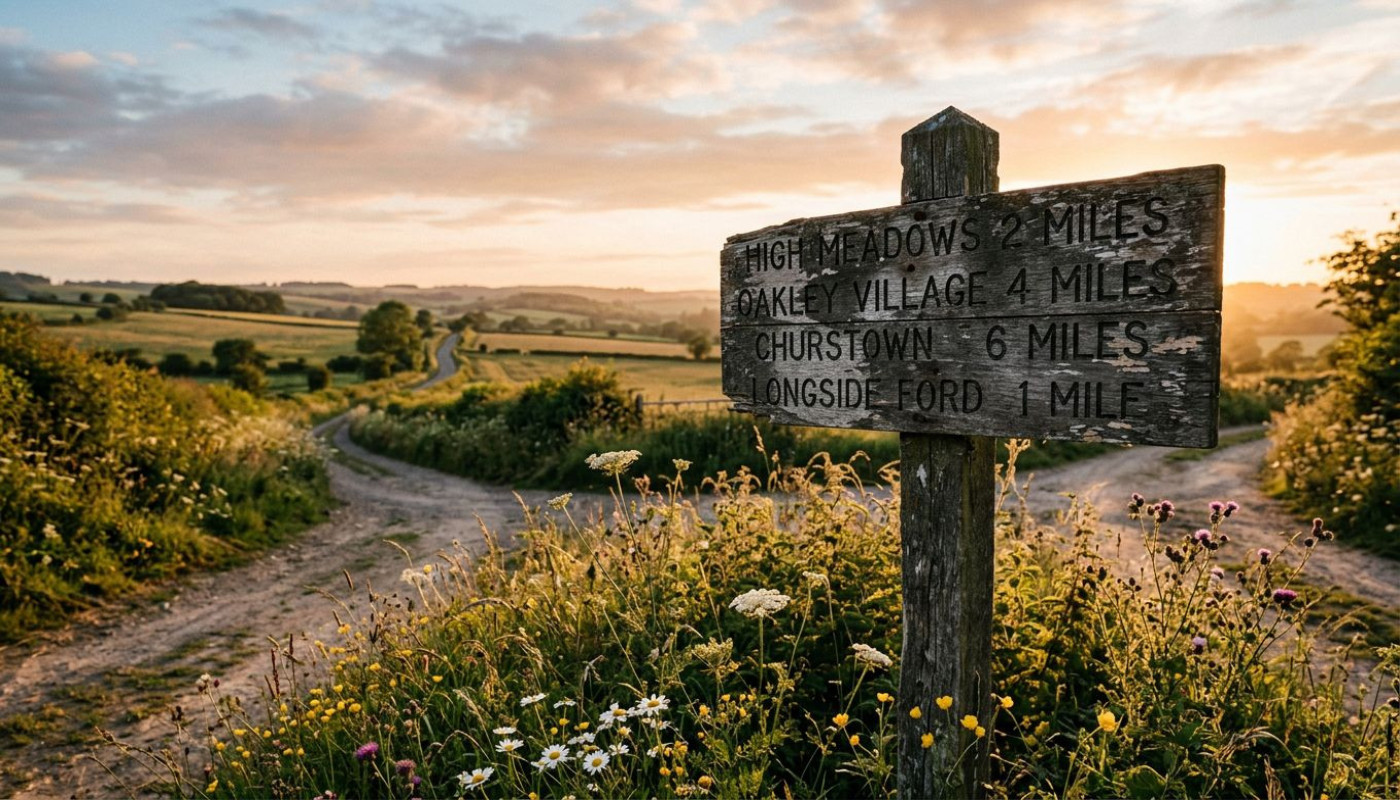
Here is the paradox: you often need preparation to wander well. When travelers say they want to improvise, what they usually mean is that they want fewer fixed appointments, not zero knowledge. The most satisfying “lost” walks tend to start with a loose frame, a point of departure, a direction to drift in, and one or two anchors, such as a market, a riverside, or a neighborhood with a reputation for small galleries. From there, the day can breathe. You stop because a doorway smells like bread, because music leaks from an open window, because the light on a façade is suddenly right, and those are not moments you can schedule.
Walking is the most powerful amplifier of this kind of travel, because it slows the rate at which the world passes you. Studies on pedestrian behavior and urban experience have long found that people perceive more detail at lower speeds, and even without formal research, the effect is obvious: a taxi turns a city into a backdrop, while a walk turns it into a series of encounters. It is also more democratic, because it costs almost nothing, and it allows travelers to adjust their route instantly based on mood, weather, or curiosity. The only real requirement is time, and that is precisely what itinerary-heavy travel tends to erase.
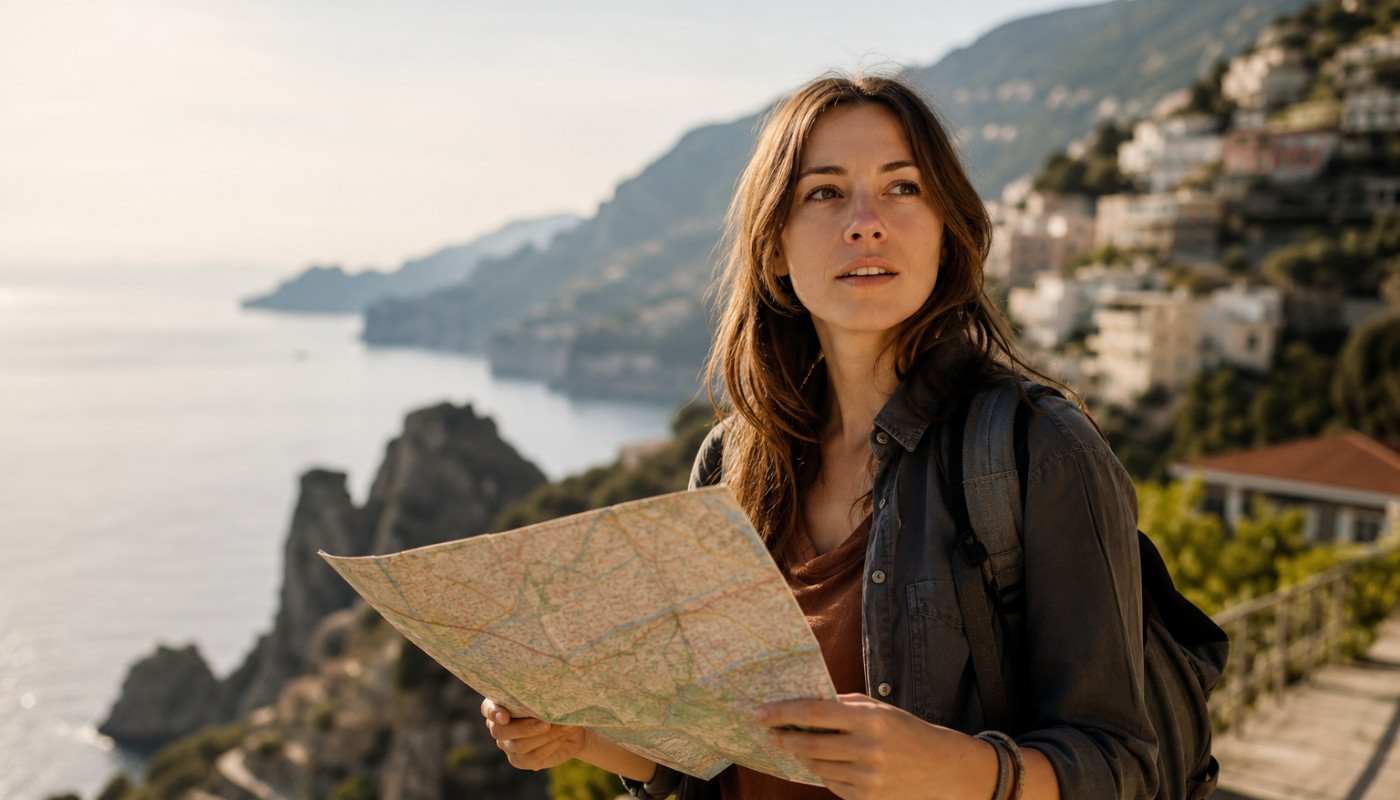
Technology complicates the picture, because it can both enable and sabotage getting lost. GPS makes it nearly impossible to be truly disoriented, yet it also tempts people to keep their eyes on the blue dot rather than the street. A simple rule helps: use maps for orientation, not for obedience. Check where you are, decide on a general direction, then put the phone away for fifteen minutes. If you want a light challenge, pick a feature to follow, a tram line, a canal, a sequence of parks, and see what happens. The goal is not to perform spontaneity, it is to give the city a chance to interrupt you.
How locals read a city you barely know
Ask yourself a blunt question: who is the city built for, at that hour? Tourists often see only the monumental version of a place, because that is what guidebooks and social platforms foreground, yet locals navigate by different signals. They read where people queue, where children play, where commuters move quickly, and where they linger. They notice which streets are bright at night, which ones go quiet, and which storefronts look temporary. These cues matter more than a list of attractions, because they tell you where daily life is actually happening.
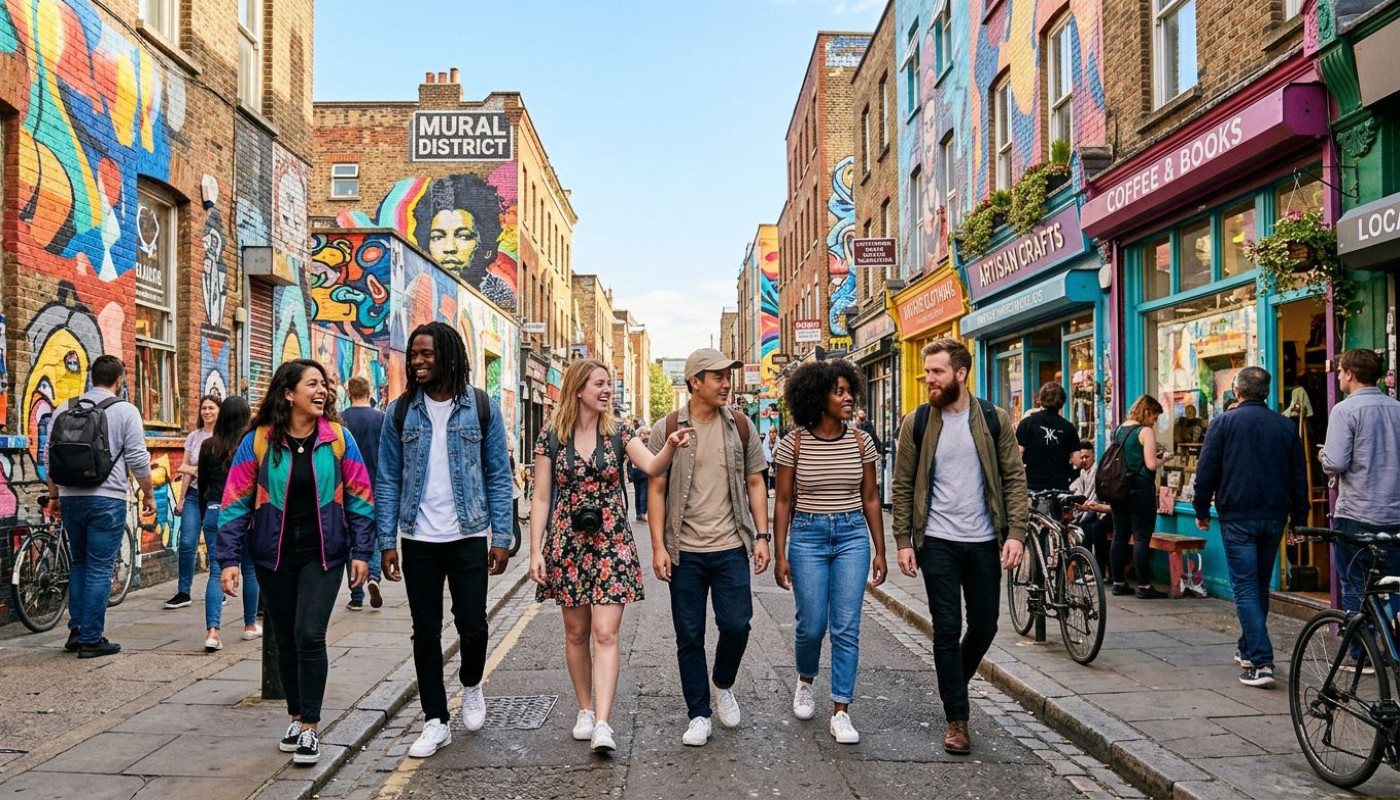
Following those signals can change the entire tone of a trip. A neighborhood bakery at 7:30 a.m. tells you more about a place than a museum queue at noon, and a public park at lunchtime can reveal the social mix of a city in a way that no historical plaque will. It is not that major sites are unworthy; many are extraordinary. The point is that if you only move between them, you experience a city as a set of controlled environments, and the connective tissue disappears. Getting lost restores the connective tissue, the small streets, the side conversations, the unphotographed routines that make a place feel lived-in.
There is also an economic dimension. When visitors concentrate spending in a few hotspots, prices climb, and local businesses that serve residents can be displaced. Spreading out is not a magic fix, but it can reduce pressure on the same blocks and distribute tourism revenue more widely. Many European cities have been grappling with overtourism, experimenting with visitor caps, timed entry systems, and campaigns that nudge travelers beyond the center. Against that backdrop, wandering is not just a personal preference, it aligns with a broader shift toward more balanced urban tourism, where curiosity can function as a form of respect.
Riga rewards detours, especially off-season
Some cities feel designed for purposeful wandering, and Riga is one of them. The Latvian capital is compact enough to explore on foot, layered enough to reward repeat walks, and varied enough that a short detour can bring you from ornate façades to quieter residential streets. The city’s Art Nouveau legacy, often concentrated in a few headline avenues, is best appreciated when you allow yourself to drift, because architectural detail reveals itself gradually: ironwork here, a sculpted face above a window there, a courtyard that opens unexpectedly behind a gate.
Season matters. Riga’s visitor peaks tend to align with European summer travel, while shoulder seasons can feel calmer, and that calm changes what “getting lost” means. In off-season months, you can enter cafés without waiting, linger longer in museums, and walk without the sense that you are part of a moving crowd. Weather can be bracing, yet it also creates the kind of atmosphere that makes detours memorable: steam from a cup, light reflecting off wet cobblestones, a warm interior after a cold street. It is a city where small decisions, a left turn instead of right, can produce a very different afternoon.
For travelers who want the freedom of wandering without the stress of logistical uncertainty, having a reliable starting point helps, whether that is a guided introduction on day one, a curated set of neighborhoods, or practical transport advice that keeps improvisation from becoming friction. If you are mapping out a Riga break and want a base of options that still leaves room for spontaneity, https://www.riga-trip.com/ can serve as a useful reference, especially when you are deciding how to structure the first hours of arrival, and which areas to prioritize before you start drifting on your own.
A practical final tip: book flexibility
Reserve only what sells out, and leave gaps you can protect. Set a daily budget for unplanned stops, including coffee, local transport, and a museum you discover late. Check city passes and seasonal offers, and look for public discounts where available. The best detours need time, and time needs intention.
Similar articles

From Sunrise Hikes To Midnight Markets: Crafting Experiential Travel Days That Feel Limitless
Lost Or Led? Real Stories Behind Spontaneous Trip Itineraries
Hidden Crossroads: The Power Of Overlooked Destinations In Shaping Travel Stories
How City Excursions Reshape Our Understanding Of Local Culture
Is Hidden Gem Tourism The Antidote To Overcrowded Travel Hotspots?

How To Structure A Multi-Destination Holiday For Every Budget?

Exploring The Charm Of Paris's 13th District: A Cultural And Historical Guide

How Ethical Safaris Enhance Your Cultural Encounter Experience?

How To Plan An Unforgettable Sailing Itinerary For Beginners

Exploring The Hidden Gems Of NYC's Five Boroughs: A Family Adventure Guide
